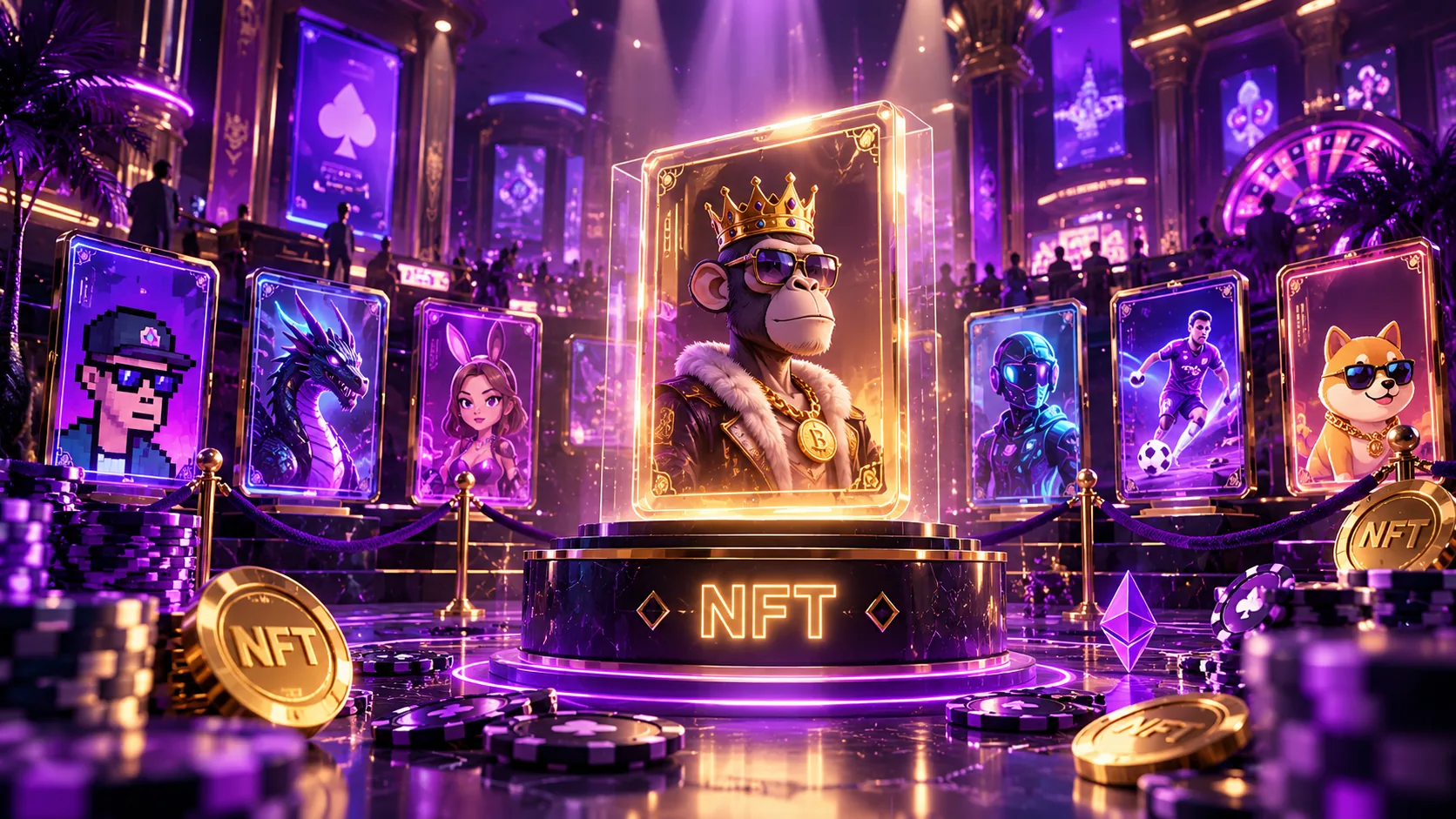
Forget about physical trading cards or one-of-a-kind paintings locked up in museums. NFTs are taking this world of singular ownership into the digital age.
What are NFTs?
But what exactly are NFTs? Think of it as a certificate of authenticity on anything, from a viral meme to one-of-a-kind pieces of digital art. That's basically what an NFT is: a unique token recorded on a blockchain. It can verify ownership of that token, but does not automatically grant copyright or exclusive ownership of the associated file. Digital files can still be copied.
Think of it like this: All Bitcoins are identical, but all NFTs are like a trading card with a holographic Charizard on it-completely unique!
What can NFTs represent?
So, what type of digital goodies can NFTs represent? The limit is your imagination! Here's a rundown of some of the most common ones:
- Artwork: Owning a digital masterpiece from your favorite crypto artist? You bet!
- Music: Want to own that ultra-rare song clip or that musician's unreleased track? NFTs can do that.
- Virtual worlds: Want a plot of digital land or an outfit considered super rare for your avatar in some online virtual worlds? Enter NFTs.
Why the big deal with NFTs?
They changed everything in the way we had been looking at ownership and trading of digital assets. For creators, NFTs are giving them a new avenue to sell work directly to fans and, perhaps, make more. To collectors, it's owning up a piece of verified digital history that might appreciate in value over time.
NFT market risks
But here comes the catch, that is not all. The NFT market is young and wild; the value of these NFTs can be super volatile, and there are question marks about regulations. Utility NFTs also depend on the project that issued them: the revenue share of Zeebit's Zeebros NFTs, for example, depended on its casino running.